The World's First F1 All-Double Petunia Takes Silver at the AAS
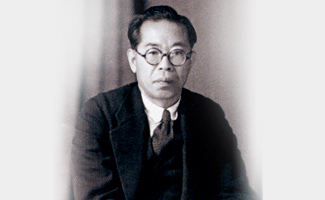
Takeo Sakata was contracted by a leading international seed company to grow seeds and he continued to actively participate in the breeding selection process to improve cultivars – including South American petunias – while still growing seeds and selling them to the Japanese market. In response to a request from Dr. Hiroshi Terao of the National Agricultural Experiment Station, he also imported double flower petunias from overseas companies.
These petunias were used by a researcher named Woo Jangchun, who discovered that double flower petunias were genetically dominant to single flower varieties. Confident that success would be guaranteed if a petunia could be developed that would yield only double flowers, Takeo devoted himself to all-double flower petunia breeding and seed production.
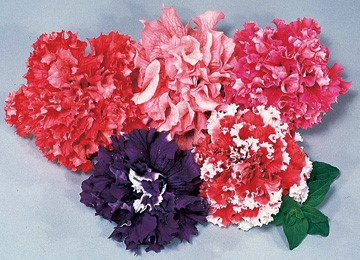
After several years of trials, not only had Sakata achieved outstanding success by developing F1 petunia seeds that yielded only double flowers, but also 80% of the blooms featured beautiful, wave-like petals, resembling the designs on the handball used in the traditional Japanese game "Temari". The other 20% were carnation-type blooms. Within a few short years, people were commending this "Sakata magic" and orders for this all-double flower petunia were flooding in from seed companies worldwide.
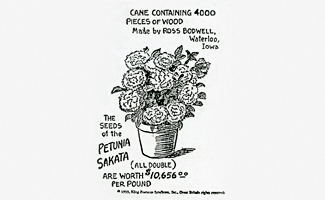
As there was a monopoly on the product, it was traded at high prices. According to the Chicago Herald Examiner (June 20, 1935), Sakata's all-double flower petunia seeds were sold at $10,565 per pound (454 g), about 20 times the value of their weight in gold, which speaks volumes about how greatly these tiny seeds – which are smaller than poppy seeds – were valued.
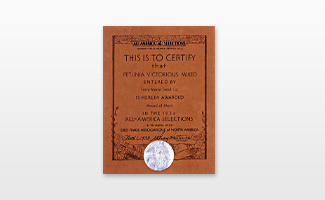
In 1934, the All Double Petunia "Victorious Mix" won silver medal at the prestigious All America Selections (AAS), and from then up until the start of the Pacific War in 1941, new varieties of petunias from Sakata would go on to win eight silver or bronze medals.
Informaţii despre
| Perioadă | 0 1934 |
|---|